Fire Alarm Guide – How Much to Go Wireless?
Wireless solutions have a lot to offer. No wonder they’re so popular. Convenience, aesthetics flexibility. But, what’s the price for those benefits? How much does it actually cost to install a wireless fire alarm?
That’s a fair question. As with all new systems, prices can vary. However, if you’ve heard going wireless is very pricey, we’re here to put your mind at ease. Because the truth of the matter is that nowadays, it’s simply not the reality anymore. The price difference is simply no longer there.
Both types of solutions are evenly matched in terms of prices, with wireless having the added benefit of convenience, simple and quick installation, and sleek, modern looks. You’ll barely even know it’s there. It can easily be the best value-for-money option.
The difference is basically about what you’re paying for. For wired, the installation is the most expensive and time-consuming part. Wireless, on the other hand, are relatively easy to set up, but components are more costly.
There are so many factors, variables and things at play that affect the final price. It’s impossible to provide any specific figure. Every building has its own characteristics, quirks and challenges that require a bespoke approach.
Fire Alarm Types
If you’re trying to decide whether or not to go wireless, here’s a brief overview of the main types of fire alarm. (You can find out more in our dedicated blog post.)
- Wired Fire Alarms: Use physical wiring to connect detection devices throughout the property. These are more often used in new buildings since redoing existing wiring can be costly and very labour-intensive. Replacing a wired alarm can sometimes be cheaper than installing a new wireless fire alarm, if the existing wiring is up to standard. However, wired alarms take longer to install, and the installation process is significantly more disruptive, as well as being less aesthetically pleasing.
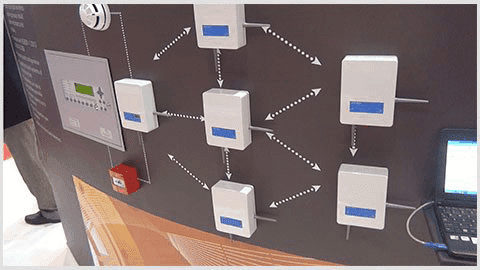
- Wireless Fire Alarms: Use wireless radio technology to link sensors and detectors without wires. They have the benefit that they are quick to install and preserve the fabric of the building, without the need to drill holes and fit wires. However, device batteries require replacement every four to seven years, meaning there’s a slightly higher ongoing cost.
- Hybrid Fire Alarms: Combine both wired and wireless components for improved flexibility in installation and connectivity. These are often a great option for adding devices to existing wired systems and offer the best of both worlds.
All these fire alarm installation options have their place in fire safety, it’s just a matter of making the right decision for your specific premises while making sure all the legal requirements are met. A fire alarm system has to meet the requirements of the relevant British Standards, first and foremost, for your premises to be safe and for you to meet regulations.